
 info@bakobanhospital.com


- By Admin
- 2026-04-29 19:43:45
Sun-stroke
Sunstroke (Heat Stroke): Causes, Symptoms, Prevention,
and Treatment
Introduction
Sunstroke, medically known as heat
stroke, is a severe heat-related illness that occurs when the body loses
its ability to regulate temperature. It is a medical emergency that can
lead to organ damage or even death if not treated promptly.
With rising global temperatures and
frequent heatwaves, awareness about sunstroke has become increasingly
important—especially in regions with hot climates.
What
is Sunstroke?
Sunstroke occurs when the body
temperature rises above 40°C (104°F) due to prolonged exposure to high
temperatures or physical exertion in hot conditions. The body’s cooling
mechanisms (like sweating) fail, leading to overheating.

Types
of Heat Stroke
- Classic (Non-exertional) Heat Stroke
- Caused by prolonged exposure to hot environments
- Common in elderly individuals and children
- Exertional Heat Stroke
- Occurs due to intense physical activity in heat
- Common in athletes, laborers, and outdoor workers
Symptoms
of Sunstroke
Recognizing symptoms early can save
lives.
Common
Symptoms:
- High body temperature (above 40°C)
- Hot, dry skin or excessive sweating
- Rapid pulse
- Headache
- Dizziness or confusion
- Nausea and vomiting
- Muscle weakness or cramps
Severe
Symptoms:
- Seizures
- Loss of consciousness
- Disorientation or delirium
Causes
and Risk Factors
Causes:
- Prolonged sun exposure
- Dehydration
- Wearing tight or dark clothing
- Poor ventilation
High-Risk
Groups:
- Elderly individuals
- Infants and children
- Outdoor workers
- Athletes
- People with chronic illnesses
- Individuals consuming alcohol or certain medications
Complications
If untreated, sunstroke can lead to:
- Brain damage
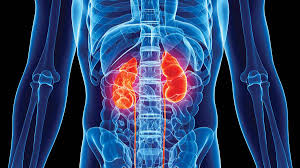
- Kidney failure
- Heart complications
- Muscle breakdown (rhabdomyolysis)
- Death
First
Aid and Treatment
Immediate
Actions:
- Move the person to a cool or shaded area
- Remove excess clothing
- Cool the body:
- Use wet cloths or ice packs
- Fan the person
- Spray cool water
- Offer fluids (if conscious)
- Seek emergency medical help immediately
Prevention
Strategies
Stay
Hydrated
- Drink plenty of water throughout the day
- Avoid alcohol and caffeine during extreme heat
Wear
Appropriate Clothing
- Light-colored, loose-fitting clothes
- Use hats and sunglasses
Avoid
Peak Heat Hours
- Stay indoors between 11 AM – 4 PM
Use
Sun Protection
- Apply sunscreen
- Use umbrellas or shade
Acclimatization
- Gradually adapt to hot environments if working outdoors
Dietary
Recommendations
- Eat light meals
- Include fruits with high water content (watermelon,
cucumber, oranges)
- Avoid heavy, oily, or spicy foods during heatwaves
When
to Seek Medical Help
Seek immediate medical attention if:
- Body temperature exceeds 40°C
- The person becomes unconscious
- There are seizures or confusion
- Symptoms do not improve with cooling
Conclusion
Sunstroke is a preventable yet
potentially fatal condition. Awareness, early recognition, and timely intervention
are key to reducing its impact. As climate conditions become more extreme,
adopting preventive habits is not just advisable—it is essential.
References
- World Health Organization (WHO) – Heat and Health
Guidelines
- Centers for Disease Control and Prevention (CDC) – Heat
Stress
- National Institute of Health (NIH) – Heat Stroke
Overview
- Mayo Clinic – Heatstroke Symptoms and Causes
- Indian Meteorological Department – Heatwave Advisory


02 Comments
Arjun Reddy
The section on digital transformation really stood out. It gave me a better understanding of how infrastructure impacts overall performance.
Sneha Kapoor
Well-written and easy to understand. The insights on security and downtime prevention are very relevant for today’s businesses. Looking forward to more such content!